
Data Conditioning
Survey Merge
Seismic survey merge workflows integrate multiple datasets into a consistent seismic volume while accounting for differences in acquisition geometry, processing history, amplitude, phase, frequency content, and data quality.
Challenges in merging multi-survey seismic data
A seismic data processing project often involves many overlapping surveys. These surveys can be acquired with different acquisition parameters, including source and receiver type, source and receiver sampling, recording azimuth, and offset ranges.

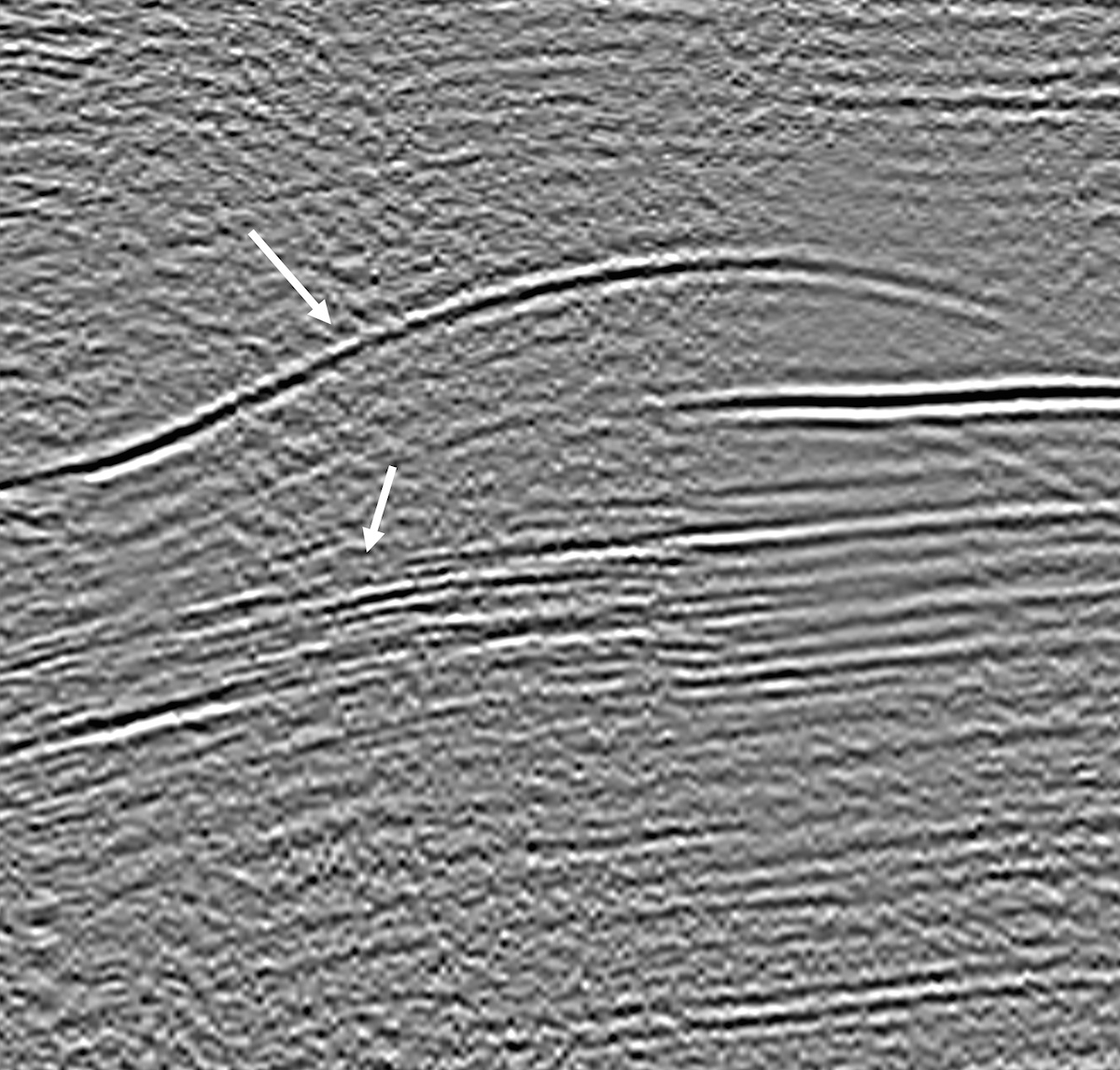
Ensuring consistency across surveys
It is critical to normalize the amplitude, phase, and statics of each survey before merging them together.
Survey Merge Workflow
Applying deterministic corrections
First, correcting the data using any deterministic parameters available, such as vibroseis sweep or receiver response.
Refraction and reflection statics
Second, running refraction and reflection statics on the combined data.
Residual amplitude, timing, and phase matching
Finally, correcting for residual amplitude, timing or phase differences by using a statistical cross-correlation method.
Quality control in overlap areas
Careful QC is required at overlap areas to ensure an optimal merge.