Weathering Solutions
Time Weathering Solution
Reflection and Refraction Statics
TBI’s seismic weathering solution uses static corrections to address near-surface velocity variations in complex land seismic data. Weathering over rough terrain can degrade reflector coherency and create false structures on subsurface reflectors. In time processing, our Time Weathering Solution (TWS) removes time delays calculated from refraction velocities and cross-correlation of reflection events.
Near-Surface Velocity Variations and Imaging Challenges
At TBI, we invest significant energy into continuously improving our workflow and optimizing the weathering solution for each individual project. Velocity variation due to weathering over the rough terrain common to land seismic data causes degraded coherency and false structures on subsurface reflectors. In time processing, the time weathering solution (TWS) removes time delays calculated from refraction velocities and cross-correlation of reflection events. We call these two solutions refraction and reflection statics.
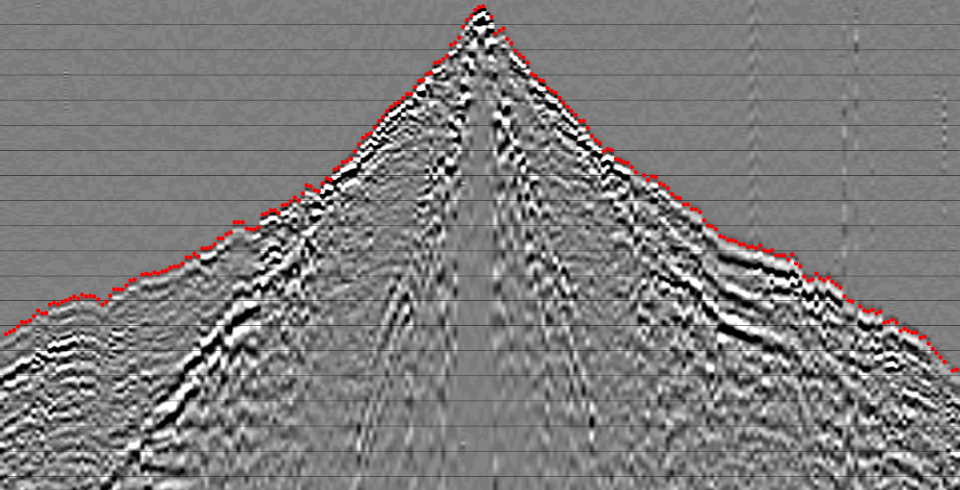
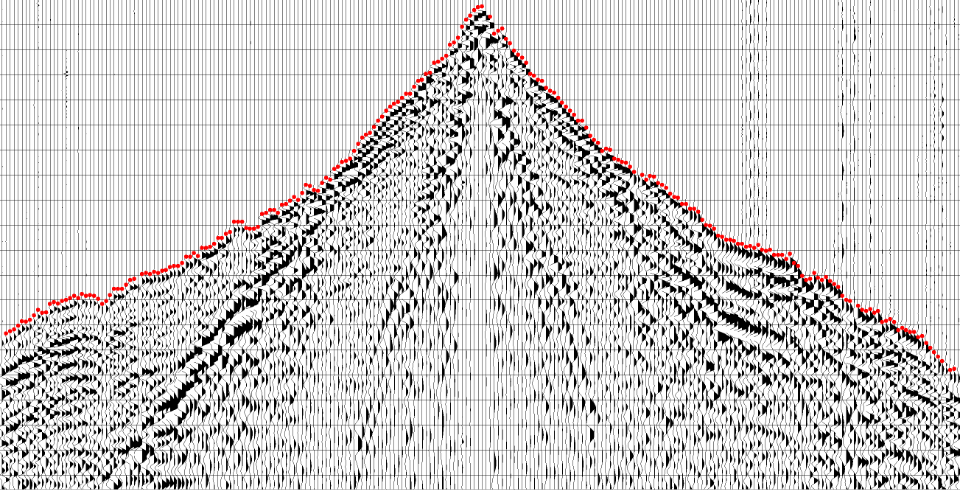
Shot gather showing first break picks
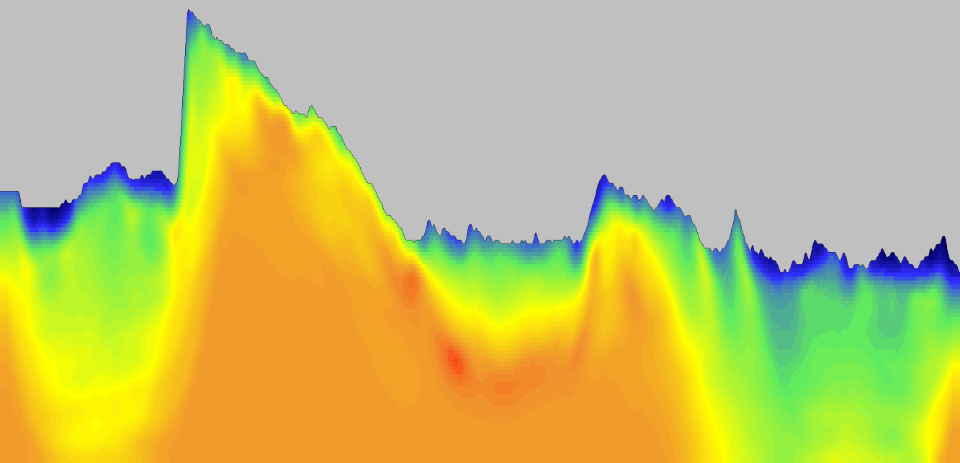
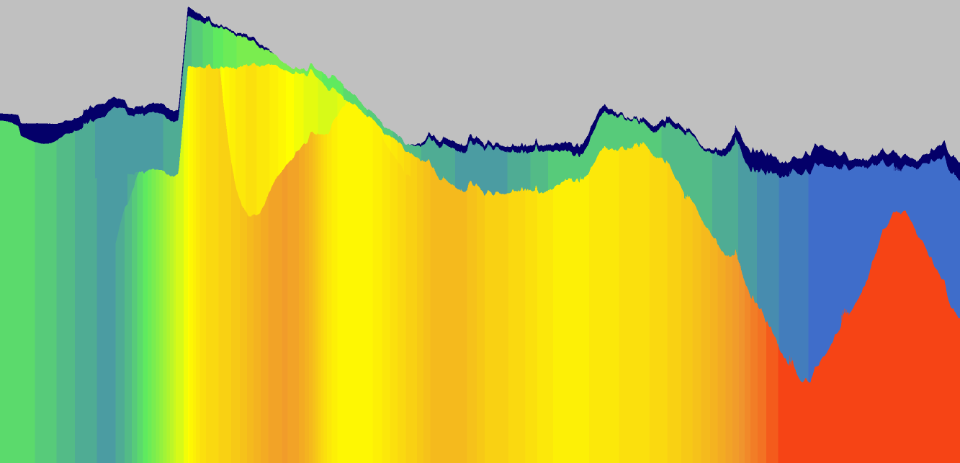
- Tomographic inversion refraction statics model using cell-based method.
- Generalized Linear Inversion (GLI) refraction statics model using layer-based method.
Adaptive Workflow: Testing Multiple Statics Solutions
We take a toolbox approach to optimizing our TWS, testing multiple algorithms on each dataset and evaluating the accuracy of each solution on the final seismic stack.
Refraction Statics: Algorithms and Benchmarking
For refraction solutions, we test GeoTomo’s Generalized Linear Inversion (GLI) and TomoPlus tomographic inversion along with ToModel’s tomographic inversion. As a safeguard, we benchmark all solutions against the elevation statics to ensure that the refraction statics algorithms are not making the imaging worse, due to instabilities resulting from noisy first-break picks. We carry two or more of these solutions through reflection statics to determine which algorithm gives the optimum result. It is difficult to predict which statics method will yield the best image in a given geologic setting, so we test every algorithm we have. If only one method is tested and it’s not the optimal one, the statics that may be missed are often too large for reflection methods to recover.
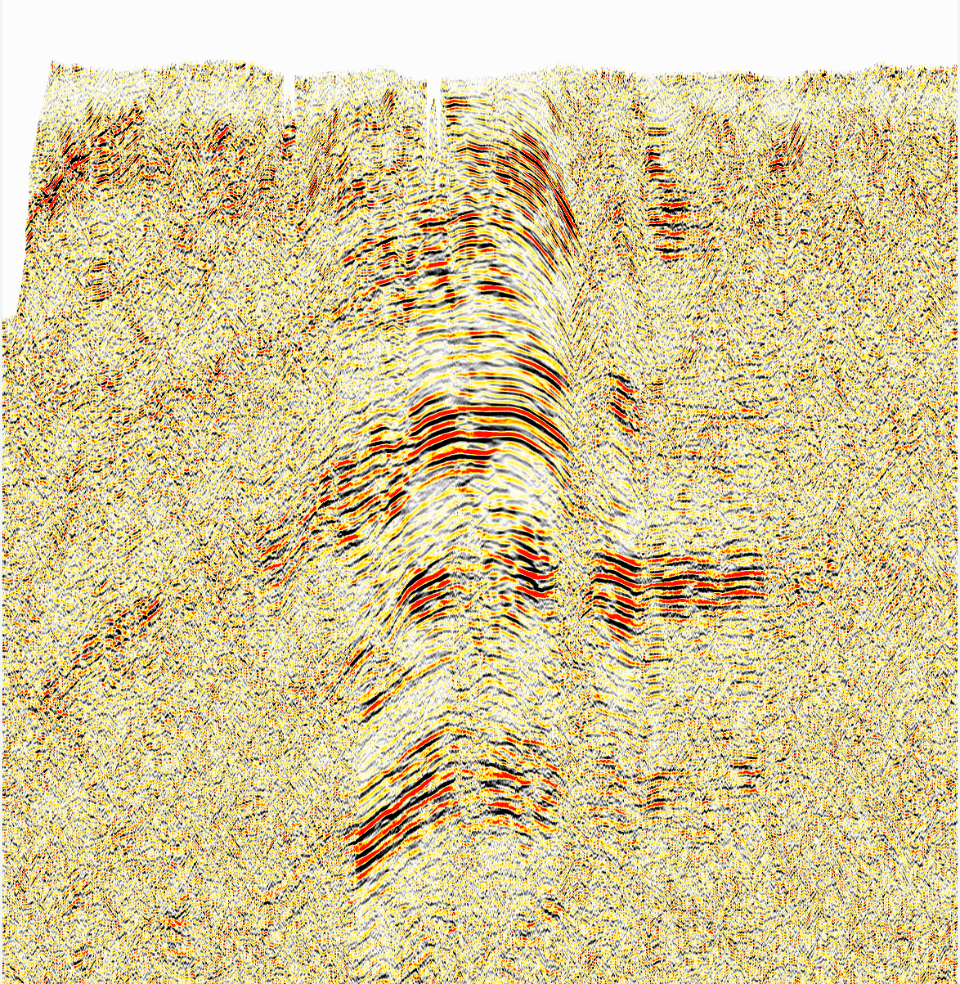
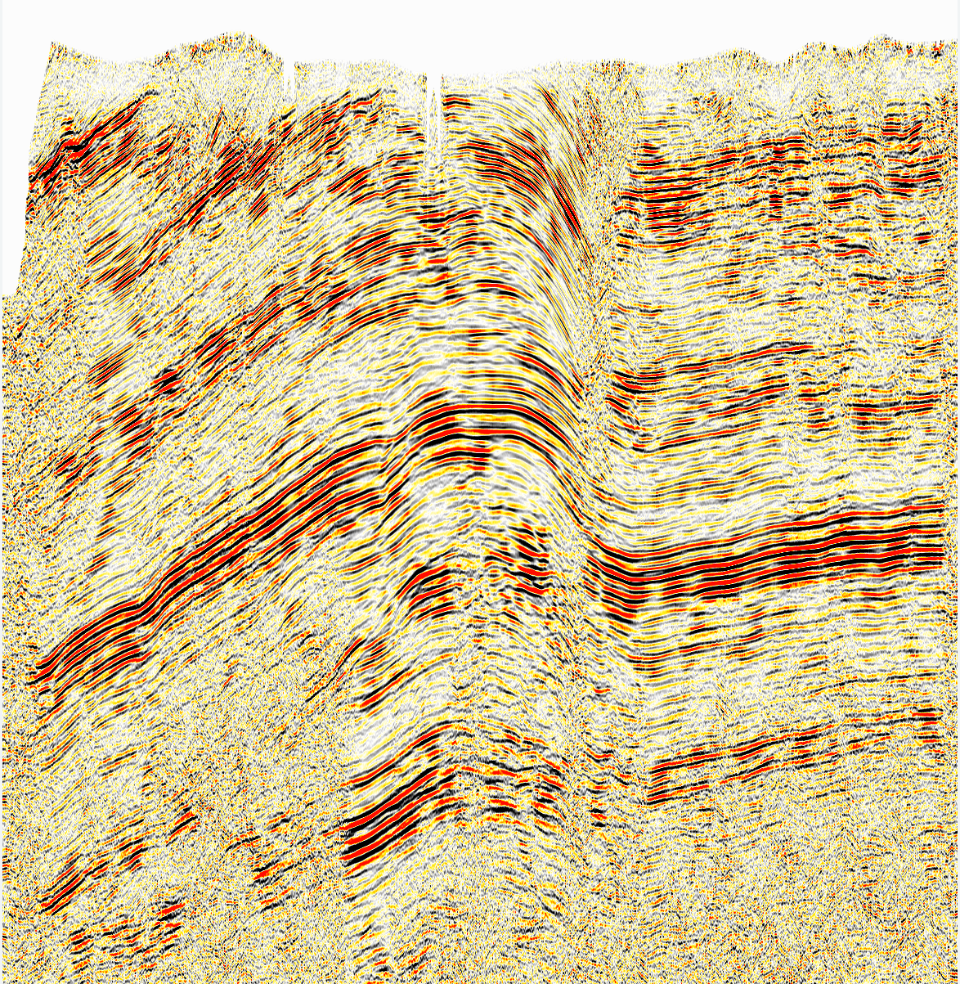
- Stack with elevation only statics.
- Stack with refraction tomography statics to correct for time delays in the weathering layer.
Challenges with Refraction Statics in Complex Geologies
Refraction statics methods rely on velocity increasing with depth to produce meaningful results. We have worked in several areas where shallow velocity inversions make it difficult to use refraction statics. We have extensive experience processing data in areas such as these. Examples include Northern Iraq where a thin layer of carbonates led to a shallow inversion, Alaska due to permafrost, and Chad due to shallow karsting. Each of these projects required special attention first arrival picking and interpretation. In some cases, we were able to use first arrivals over a specific area and/or offset range to add some value from refraction statics. For other projects, elevation statics provided the best results, with upholes, surface geology, and/or client interpretation used to refine the long wavelength trends.
Reflection Statics Using MASTT
The surface-consistent reflection statics program of choice for imaging below difficult surface conditions is MASTT from Techco Geophysical. We have found that this process is most effective at finding reflector continuity in difficult imaging areas.
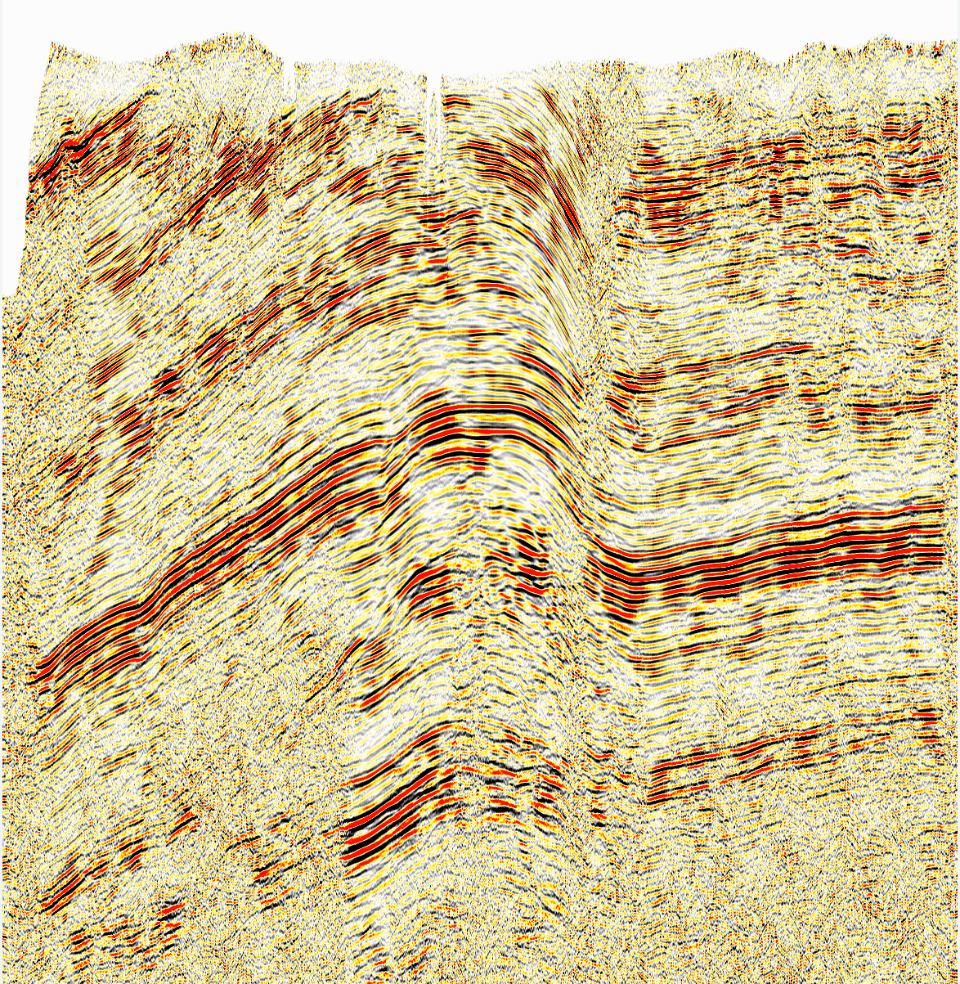
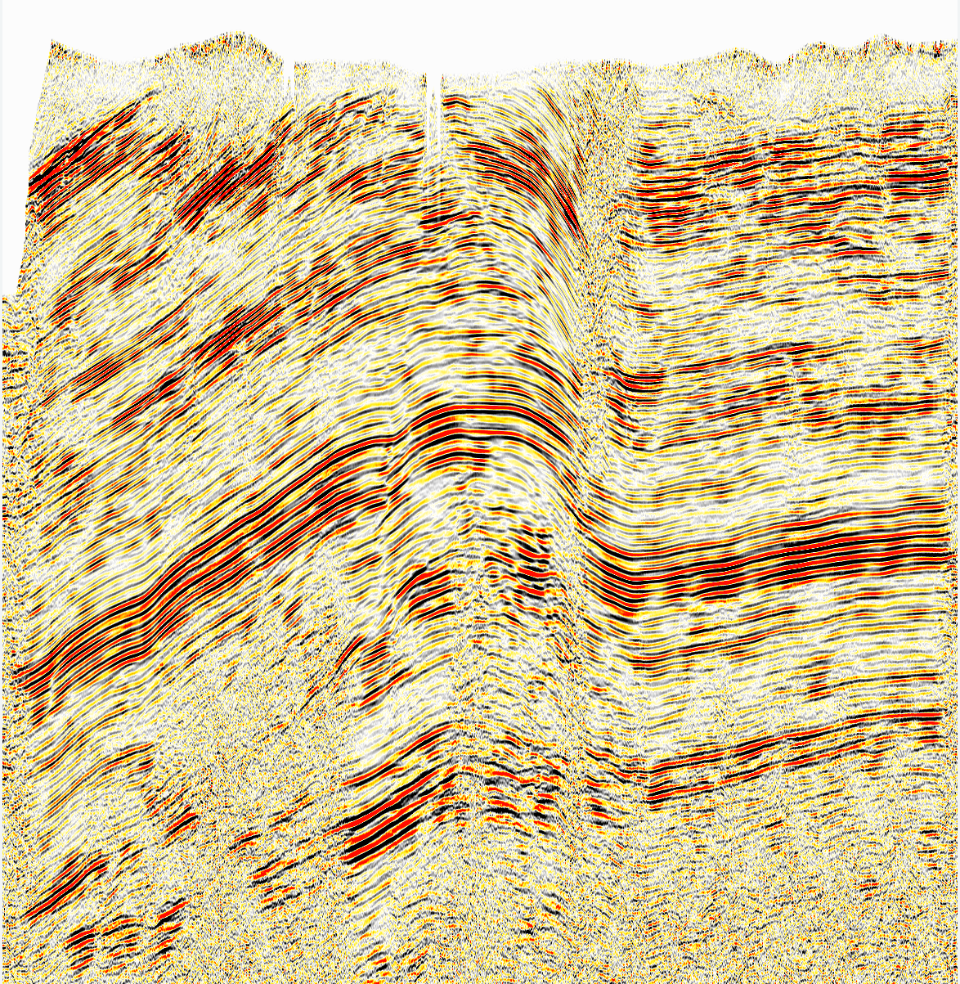
- Stack with refraction tomography statics to correct for time delays in the weathering layer.
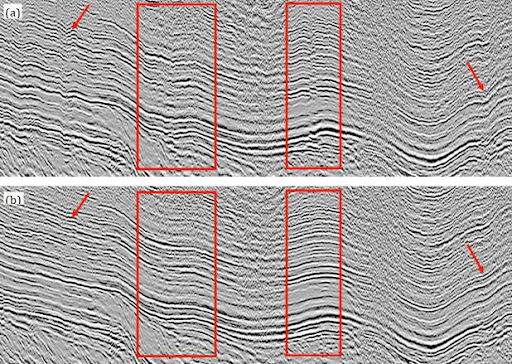
- Stack with refraction tomography statics as well as Mastt reflection statics to correct for any remaining static beyond the resolution of refraction statics. Note the improvement in reflector continuity.
Case Study: Alaska 2D Seismic Data
On an Alaskan data example (Figure 1), the difficulties picking accurate first breaks caused instability of refraction-statics algorithms, which led us to use only elevation statics and rely on MASTT surface-consistent reflection statics to solve near-surface statics problems. We successfully resolved the statics issues with this application of elevation and reflection statics. Figure 1 shows the improvement in reflector continuity with the application of MASTT-derived statics. We see similar improvements using MASTT in conjunction with an optimum refraction solution.
Application of MASTT Statics